FULL MOUTH RECONSTRUCTION
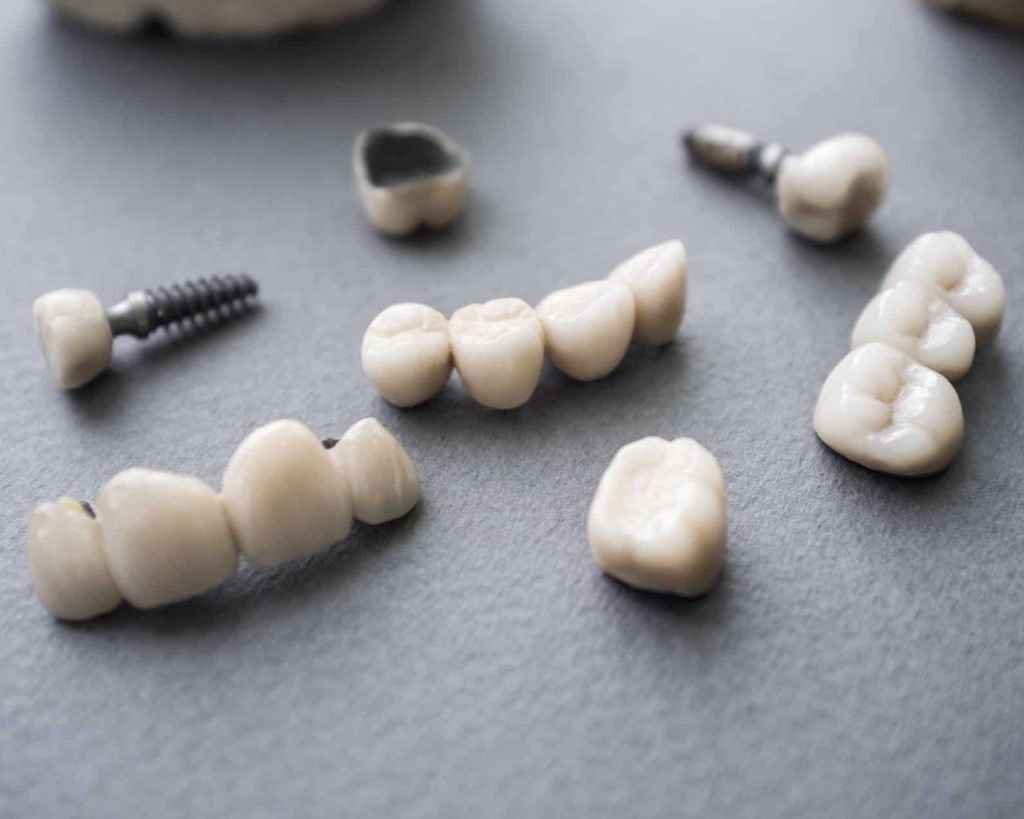
Full Mouth Rehabilitation is the recreation of every tooth in the mouth. This can include broken, chipped and excessively worn teeth.
Benefits of Full Mouth Rehabilitation
T32 Dental Centre's prosthodontists work hand-in-hand with our in-house dental ceramists who will craft each set of teeth for every patient at T32's on-site dental laboratory using only the highest quality materials. This ensures excellent fit, more natural looking teeth and greater satisfaction levels among our patients.
In addition, our clinic’s on-site advanced facilities and technology gives us the edge in accurate diagnosis and design of customised solutions for every patient in the fastest possible time. Our top-of-the-range equipment include the Picasso Master for full CT scan capabilities and the Nobel Biocare Procera® Forte scanner, which uses a special computer-aided design system to create customised solutions for each patient.
TREATMENT PROCESS
This procedure is usually completed in at least two to three appointments.
At the first session
Our prosthodontist will remove existing tooth decay and dental restoration. We then take an impression of your mouth for our in-house dental ceramists to create a customised set of teeth for you. During this appointment, you will also be fitted with a temporary set of teeth.
On your second visit to T32 Dental Centre
Our dental surgeon will remove the temporary teeth and replace them with a new set of permanent teeth.
Due to the complexity of the case, sometimes more appointments are needed to complete the full mouth rehabilitation.
Maintenance
Practising good dental habits such as brushing twice a day, regular flossing are as important as regular visits to the dentists and not chewing on hard objects such as ice. It is also important to maintain a schedule of a six monthly visit to your dentist for regular cleaning and check-up.
Cost of Full Mouth Rehabilitation
At T32, we understand the concerns while you are on the road to regaining your confidence. As such, patient education and counselling is important. We will help you fully understand your dental condition and the eventual proposed treatment plan for you.
- examine your dental condition with the review of an x-ray and/or CT scan of your jaw and teeth,
- discuss your medical history and other concerns that you may have, and
- thereafter, present the proposed treatment plans to you.
As each individual is unique, and there are also various treatment modalities available, our T32 patient care counsellors will thoroughly explain the details of the treatment plans to help you make informed decisions.
FAQs on Full Mouth Reconstruction
Patients with missing teeth, or uneven and damaged teeth will experience difficulty in speech and the hampered ability to chew. Patients are often surprised to learn that a set of teeth in extremely poor condition causes pain and discomfort in the muscles and the joints around the jaw and back. Other problems which affects the quality of life may also surface and patients never link their discomfort and pain to poor oral conditions. Full mouth rehabilitation restores teeth to optimal condition to improve or reinstate a patient’s quality of life and self-esteem.
You are likely to need this procedure if you have teeth that are in very poor condition or those that are excessively worn down, resulting in teeth that appear to be shorter in length than normal. Our specialist prosthodontic surgeon will be able to assess your case and advise on treatment.
Prosthodontists are dentists trained in the field of Prosthodontics. They specialise in the restoration of the appearance and function of your smile. As it is a requirement that they train for an additional 3 to 4 years after dental school, they are able to manage the most complex dental restoration. Prosthesis used in the restoration of smiles include ceramic crowns, porcelain veneers and bonding technology.
Bleaching of teeth is also a common way to brighten a smile. They are able to provide comprehensive treatment options to restore missing teeth and restore function with the use of conventional fixed prosthetic or advanced implant dentistry.
We understand the concern for personal safety. T32 Dental Centre uses autoclave sterilisation and disposable/non-contamination techniques to ensure that the highest hygiene standards are met.
Local anaesthesia is used to numb the gum before treatment takes place to minimise painful sensations.
At T32 our approach is to customise treatment for each individual. The cost will very much depend on the specific patient’s programme. We believe that, by doing this, we are able to ensure maximum value for patients as they are charged only for the treatment they need and not for general dental packages. This will eliminate any treatment or services not needed.
I Want To Make An Enquiry/Appointment
Make An Enquiry/Appointment
Fill up the form with your particulars if you would like to learn more about our services.
I hereby give my consent to T32 Dental to send emails, SMS message, and/or call to my contact particulars provided herein